Arizona Water Softener: Do You Really Need One?
If you live in Arizona, you already know the heat is relentless. But there's another problem hiding in plain sight, right inside your pipes. Hard water. It's one of the most common household headaches across the state. Getting an Arizona water softener might sound like a luxury, but for most homeowners here, it's closer to a necessity. Let's break it down clearly and simply.
Is Arizona's Water Really That Hard?
Arizona consistently ranks among the states with the hardest water in the entire country. Cities like Phoenix, Scottsdale, Tucson, and Mesa pull water from the Colorado River and local groundwater sources. Both are loaded with calcium and magnesium minerals.These minerals aren't dangerous to your health. But they are dangerous to your home. They build up in your pipes, your appliances, and your water heater over time. That white crusty residue you see on your faucets? That's hard water doing its thing. It shortens appliance life. It raises energy bills. And it makes your skin feel dry and your hair look dull. Not great.
Most Arizona homes record water hardness between 12 and 25 grains per gallon. Anything above 7 is considered hard. So yes, you're dealing with some seriously stubborn water here.
What Happens If You Just Ignore It?
Honestly, a lot of people do ignore it. And then they wonder why their dishwasher died early, their laundry feels stiff, or their water heater is working overtime.Here's the reality. Hard water silently adds costs. Scale buildup inside your water heater can reduce its efficiency by up to 30%. Your pipes narrow over time as mineral deposits collect. Soaps and detergents don't lather well in hard water, so you end up using more product than you need.Ignoring hard water is like ignoring a slow leak in your roof. Nothing dramatic happens at first. But give it time, and the damage adds up fast.If you have kids or elderly family members at home, the skin irritation and hair dryness can also become a real daily nuisance. You're not overreacting if it bothers you.
So, Does a Water Softener Actually Fix This?
A traditional water softener works through a process called ion exchange. It swaps out the calcium and magnesium ions in your water with sodium ions. The result is softer water that flows through your pipes cleanly, lathers well with soap, and is gentler on skin and fabrics.
Your appliances last longer. Your pipes stay cleaner. Your utility bills can actually drop. And that annoying white scale? Gone.
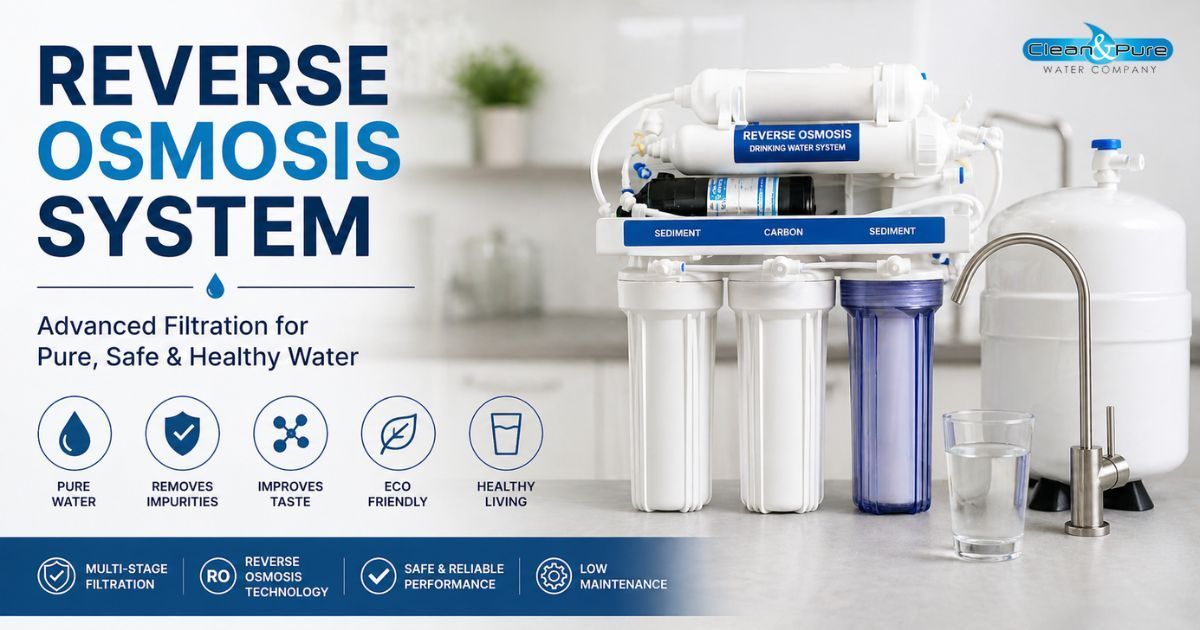
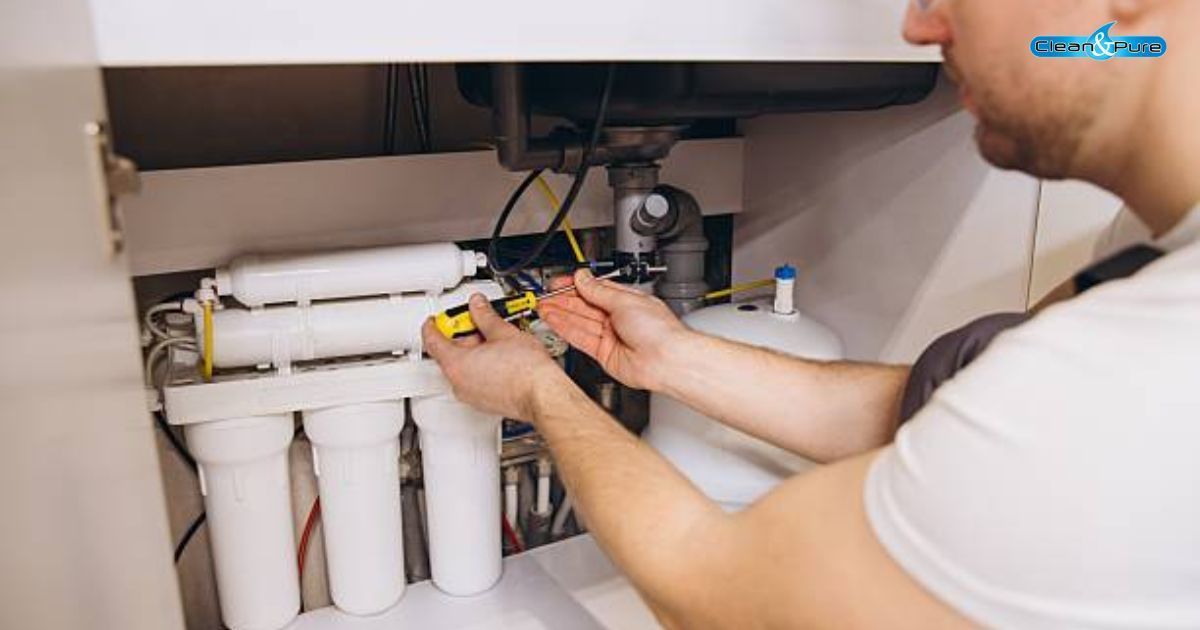
The best soft water system Arizona homeowners can invest in usually depends on the size of your home and your water usage. A whole-house system is ideal for families. It treats every drop of water before it reaches any tap in your home. Some systems also pair well with a reverse osmosis filter in the kitchen for drinking water, giving you the cleanest possible water at every point.Softened water also means you use less soap, less shampoo, and less detergent. Over months and years, the savings are real and measurable.
What Should You Look for When Choosing a System?
First, check the grain capacity. A family of four in Arizona typically needs a system rated between 32,000 and 48,000 grains.
Second, look at the regeneration style. Demand-initiated regeneration systems only regenerate when needed, saving water and salt.
Third, think about maintenance. Some systems need salt refills every few weeks. Others are low-touch and nearly hands-free.Salt-based systems are the most effective for Arizona's level of hardness.
Salt-free conditioners exist, but they don't fully remove hardness minerals. They just change their structure slightly. For true softness, especially in a state like Arizona, a salt-based system usually wins the comparison.
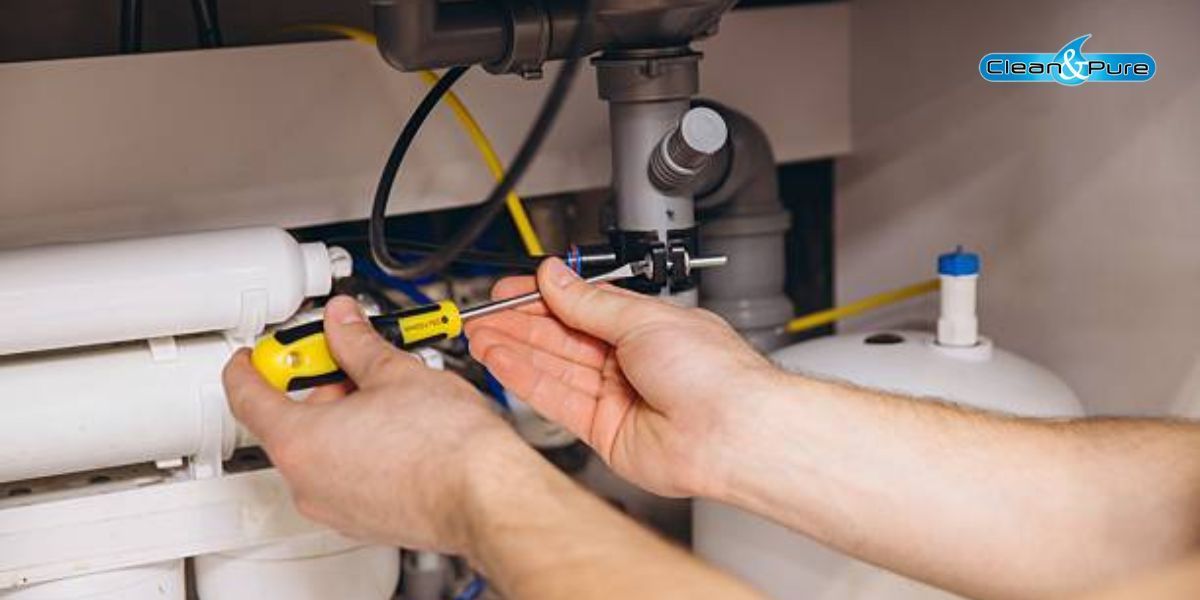
Also consider warranty, installation support, and whether the company offers maintenance packages. A softener is a long-term investment, so back-up support matters a lot. Ready to solve your hard water problem the right way? Clean and Pure Water Company offers trusted installation, maintenance, and water softener solutions built for Arizona homes. Contact us today.
Final Thoughts: Is It Worth It for Arizona Homeowners?
Absolutely. When you add everything up, an Arizona water softener pays for itself. Longer-lasting appliances, lower energy bills, better skin and hair health, and a cleaner home overall. These aren't small perks. They're daily quality-of-life improvements that you notice every single time you turn on a tap.If you're a new homeowner, a landlord, or someone who's simply tired of dealing with crusty faucets and stiff laundry, this is one upgrade that genuinely delivers. Don't wait until your water heater gives out or your pipes need replacing. The smart move is to act early.
Frequently Asked Questions
1. How do I know if I need a water softener in Arizona?
If you notice white residue on faucets, dry skin after showering, or scale on appliances, your water is likely hard and a softener will help.
2. How long does a water softener last in Arizona?
A quality water softener typically lasts 10 to 15 years with proper maintenance and regular salt refills as recommended by your provider.
3. Does a water softener affect drinking water taste?
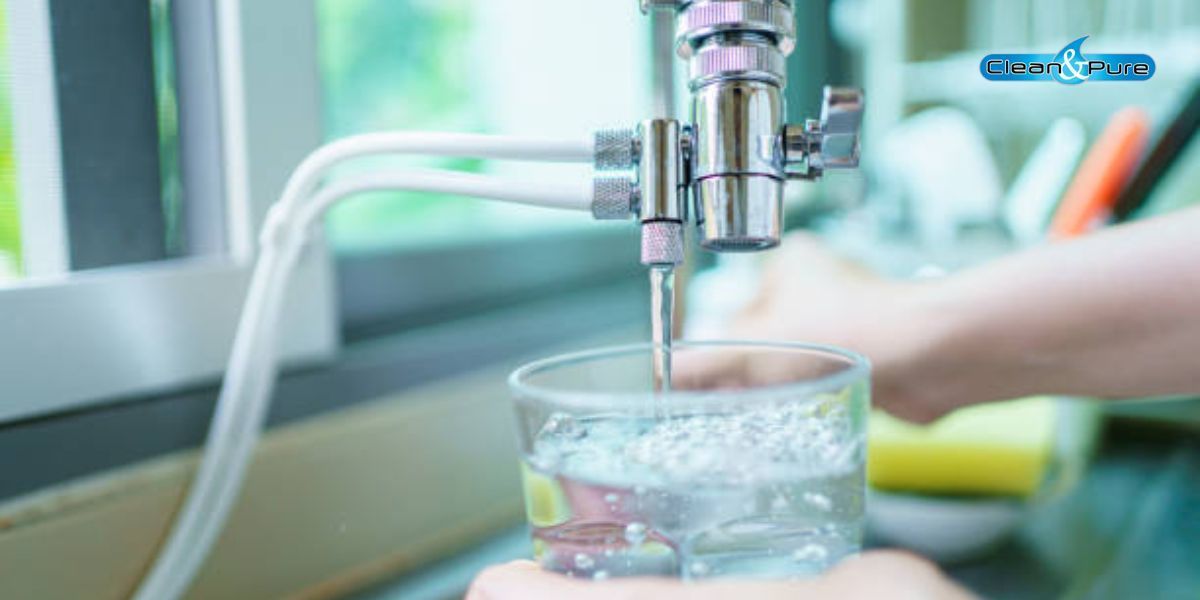
Softened water has a slightly saltier taste. Pairing your softener with a reverse osmosis system under the sink gives you clean, great-tasting drinking water.
4. How often does a water softener need maintenance?
Most systems need salt added every 4 to 6 weeks. Annual professional check-ups help keep performance at its best throughout the year.
5. Can a water softener help reduce my energy bills?
Yes. Removing scale buildup from your water heater and pipes improves efficiency, which can noticeably reduce your monthly energy costs over time.